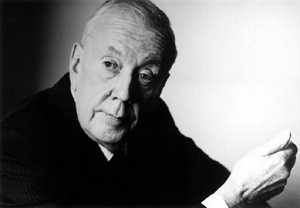
Malcolm Arnold
Malcolm Arnold (1921–2006) was an English composer and conductor renowned for his prolific output across orchestral, chamber, choral, and film music. His compositions are characterized by lyrical inventiveness, rhythmic vitality, and a distinctive balance between accessibility and sophistication. Arnold’s contributions to twentieth-century British music include symphonies, concertos, and scores for stage and screen, establishing him as one of the most versatile and influential composers of his generation.
Early Life and Education
Malcolm Arnold was born on October 21, 1921, in Northampton, England. He showed early musical aptitude, studying piano and violin before attending the Royal College of Music in London. There, he studied composition under Gordon Jacob and developed proficiency in conducting and orchestration. Arnold’s formative years were marked by exposure to both British musical traditions and contemporary European developments, including the works of Stravinsky, Shostakovich, and Walton.
Career
Arnold’s professional career encompassed both composition and conducting. During World War II, he served in the Royal Corps of Signals and performed as a trumpet player, gaining practical orchestral experience that informed his later compositional style. After the war, he became principal trumpet of the London Philharmonic Orchestra, further refining his understanding of orchestral timbre and technique.
Arnold’s compositional output is vast, including nine symphonies, numerous concertos for various instruments, chamber works, ballets, and film scores. He received commissions from major orchestras and ensembles in the United Kingdom and abroad, and his music was frequently performed in both concert and broadcast settings. In addition to concert music, Arnold achieved significant acclaim for his film scores, contributing to more than a hundred films between the 1940s and 1970s.
Major Works
Symphonies and Orchestral Music
Arnold composed nine symphonies, which range from lyrical and pastoral to dark and intense, often reflecting personal experiences and historical events. Notable works include:
Symphony No. 5 (1961), a work of reflective intensity that combines lyricism with expressive dissonance.
Symphony No. 7 (1973), known for its rhythmic vitality and orchestral color.
Other orchestral works, such as English Dances (1950, 1951), exhibit a distinctly English character, combining folk-inspired rhythms and melodic charm with sophisticated orchestration.
Concertos and Chamber Music
Arnold wrote concertos for trumpet, violin, cello, guitar, and other instruments, often showcasing virtuosic techniques while maintaining lyrical expressivity. His Trumpet Concerto (1959) and Concerto for Violin and Strings (1949) are frequently performed, reflecting his deep understanding of instrumental capabilities.
Arnold’s chamber music, including string quartets, wind quintets, and piano trios, demonstrates clarity of texture, rhythmic drive, and melodic inventiveness, often balancing intimacy with formal rigor.
Choral and Vocal Music
Arnold composed numerous choral and vocal works, ranging from large-scale cantatas to songs and part-songs. Works such as St. George and the Dragon (1965) and The River Kwai March (arranged for concert performance) exhibit his ability to blend text setting with musical character, dramatic narrative, and lyrical elegance.
Film and Stage Music
Arnold’s film music includes scores for The Bridge on the River Kwai (1957), for which he won an Academy Award, The Belles of St. Trinian’s (1954), and Whistle Down the Wind (1961). His music for stage and ballet, such as Tam O’Shanter (1955), demonstrates his skill in dramatic pacing, thematic development, and orchestral color.
Musical Style
Malcolm Arnold’s music is characterized by:
Lyrical inventiveness: memorable melodies often drawn from folk idioms and popular music.
Rhythmic vitality: dynamic, energetic rhythms that drive musical momentum.
Orchestral color: sensitive and imaginative use of instrumental timbres.
Accessibility and sophistication: works that combine immediate appeal with complex structural and harmonic elements.
Versatility: capacity to write for a wide range of genres, including symphonic, chamber, vocal, and film music.
Arnold’s style bridges the gap between tradition and modernity, combining expressive immediacy with compositional craftsmanship.
Influence and Legacy
Malcolm Arnold is regarded as one of the leading British composers of the twentieth century, with a body of work that significantly shaped orchestral, chamber, and film music in the United Kingdom. He received numerous honors, including a knighthood in 1993, and his music continues to be performed worldwide.
Arnold passed away on September 23, 2006, in London. His legacy endures through his extensive catalog of symphonies, concertos, chamber works, and film scores, which remain celebrated for their melodic charm, rhythmic energy, and enduring expressive power.