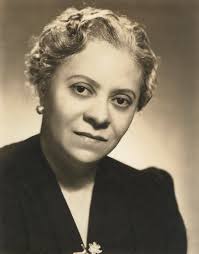
Florence Price
Florence Price (1887–1953) was an American composer, pianist, and music educator, widely recognized as the first African-American woman to have a symphony performed by a major American orchestra. Her work is noted for its synthesis of European classical traditions with African-American musical idioms, including spirituals, folk melodies, and rhythmic innovations. Price’s compositions contributed significantly to the development of an American classical music identity and paved the way for subsequent generations of African-American composers.
Early Life and Education
Florence Beatrice Price was born on April 9, 1887, in Little Rock, Arkansas, United States. She displayed musical talent at an early age and studied piano and composition locally before attending the New England Conservatory of Music in Boston, where she earned a diploma in organ and a certificate in composition. At the Conservatory, she studied with prominent instructors including George Chadwick, who encouraged her compositional development and instilled a grounding in European classical traditions. Price’s education combined rigorous technical training with an appreciation for the expressive potential of American musical idioms.
Career
Compositional Work
Price’s music integrates European symphonic and chamber traditions with African-American cultural elements, particularly spirituals, dance rhythms, and melodic contours derived from folk sources. Her compositional output spans orchestral works, chamber music, choral compositions, piano pieces, and art songs. She is especially celebrated for her orchestral works, which reflect a mastery of formal structure, orchestration, and harmonic richness.
Symphonies and Orchestral Works
Price composed four symphonies, of which her Symphony in E minor (1932) is the most celebrated. This work, performed by the Chicago Symphony Orchestra in 1933, marks a historic milestone as the first symphony by an African-American woman played by a major orchestra. Her orchestral style blends Romantic harmonic language with syncopated rhythms, modal inflections, and thematic material inspired by African-American spirituals. Other notable orchestral works include Danzas Cubanas and Ethiopia’s Shadow in America, which demonstrate her facility in programmatic and rhythmically dynamic writing.
Chamber and Vocal Music
Price composed extensively for piano, violin, and voice, producing art songs and chamber works that integrate folk melodies, spirituals, and dance rhythms. Her piano music, such as Fantasie Nègre, employs virtuosic technique, rhythmic vitality, and harmonic sophistication, often drawing inspiration from African-American vernacular music. Her choral works, including arrangements of spirituals, contributed to both concert performance and community musical life.
Pedagogy and Advocacy
Price was an accomplished music educator, teaching piano and composition to students in various schools and institutions. She also promoted African-American music through performance, lectures, and professional engagement, advocating for recognition of African-American composers in mainstream musical culture.
Musical Style and Aesthetic
Florence Price’s style is characterized by:
Integration of African-American musical idioms with European classical forms, including symphonies, sonatas, and chamber works.
Use of spirituals, folk melodies, and dance rhythms, providing cultural authenticity and melodic richness.
Harmonic and orchestral sophistication, reflecting training in Romantic and early twentieth-century compositional techniques.
Emphasis on lyricism and rhythmic vitality, balancing expressive melody with complex rhythmic structures.
Commitment to accessibility and cultural representation, aiming to bridge classical music with African-American musical heritage.
Her aesthetic emphasizes the fusion of technical mastery, cultural identity, and expressive clarity, contributing to the formation of a distinctly American classical voice.
Influence and Legacy
Florence Price’s contributions established her as a trailblazing figure in American music. Her success as a composer in a racially segregated society paved the way for African-American women and composers to gain recognition in classical music. Her orchestral and chamber works influenced subsequent generations and remain central to studies of American modernist music and African-American cultural expression.
In recent decades, her music has experienced renewed scholarly and performance interest, highlighting her innovative blending of cultural traditions, technical sophistication, and historical significance. Price’s legacy endures as a symbol of artistic excellence, cultural advocacy, and the integration of African-American musical heritage into the broader classical canon.